
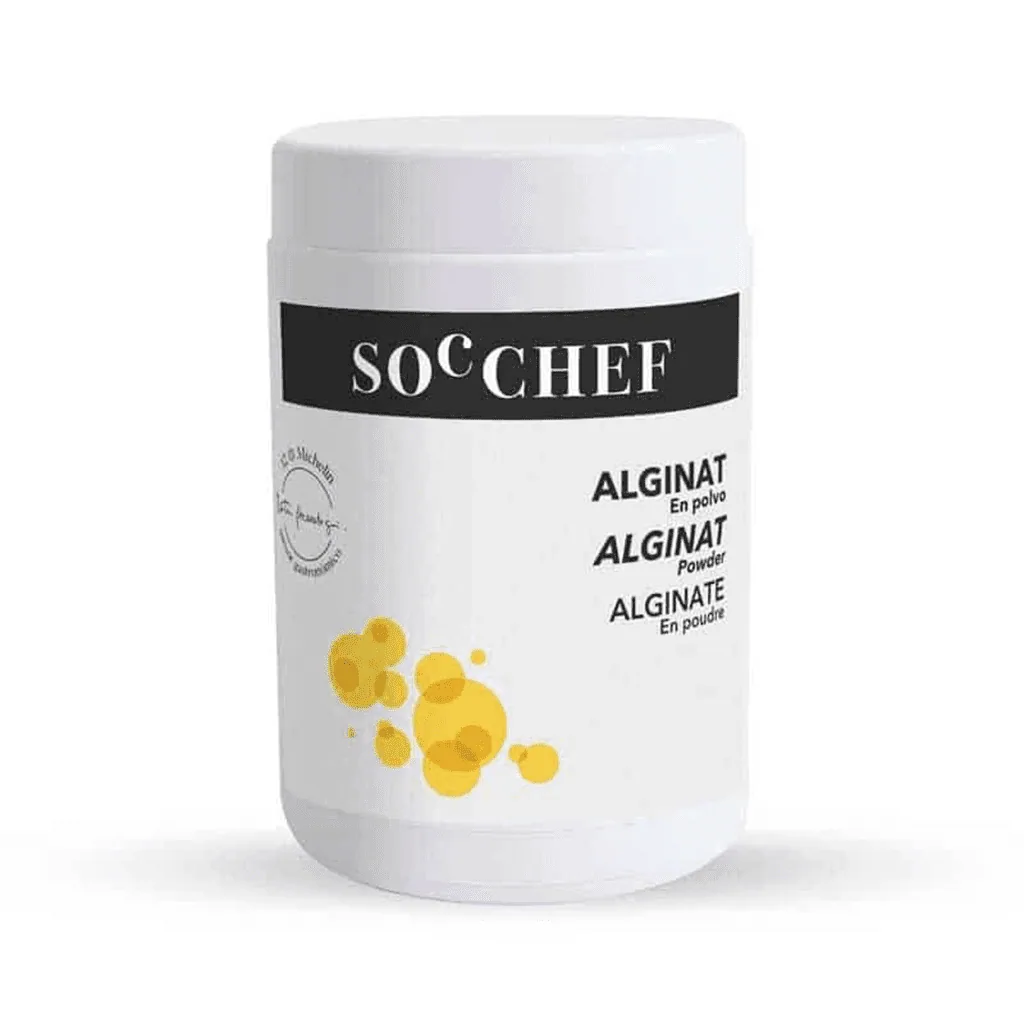

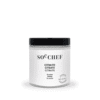
Sodium Alginate for Cocktail Spherification – 500 g
47,99 €
Available on back-order
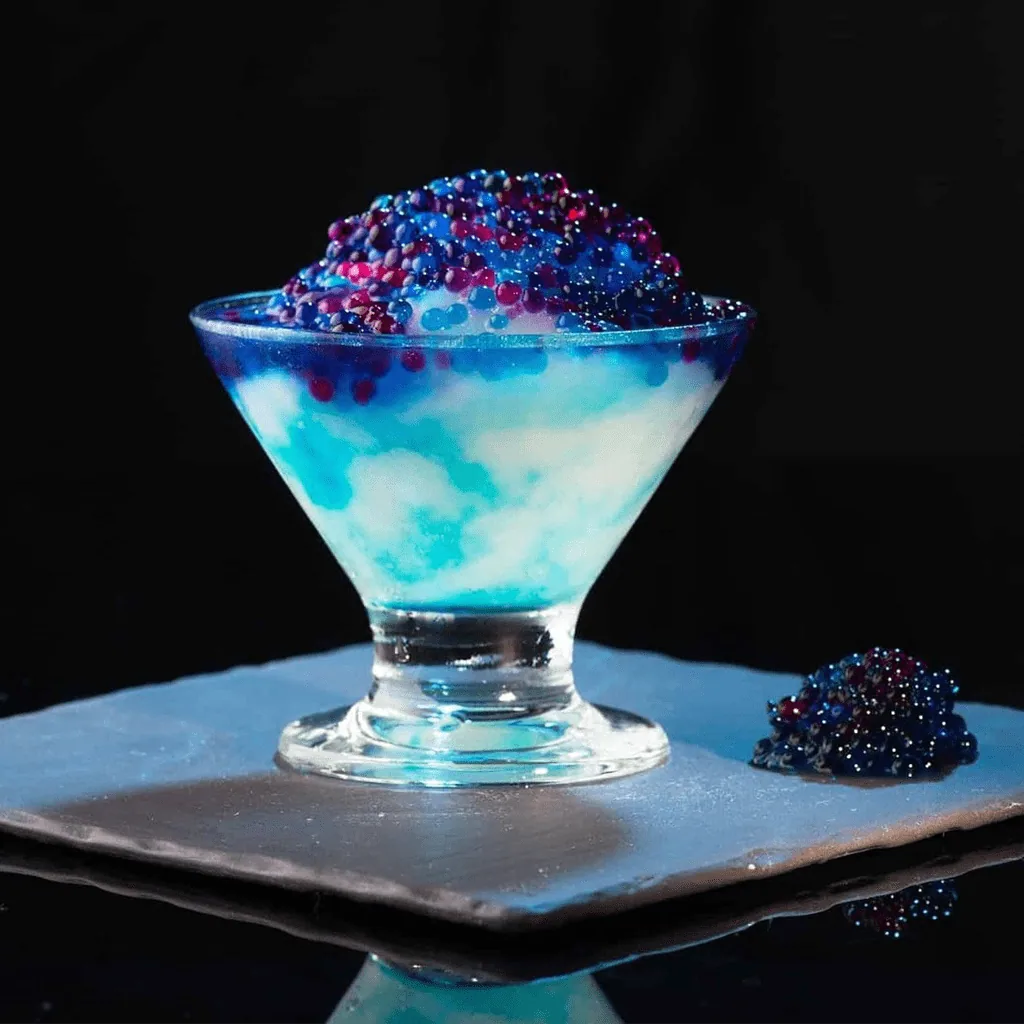
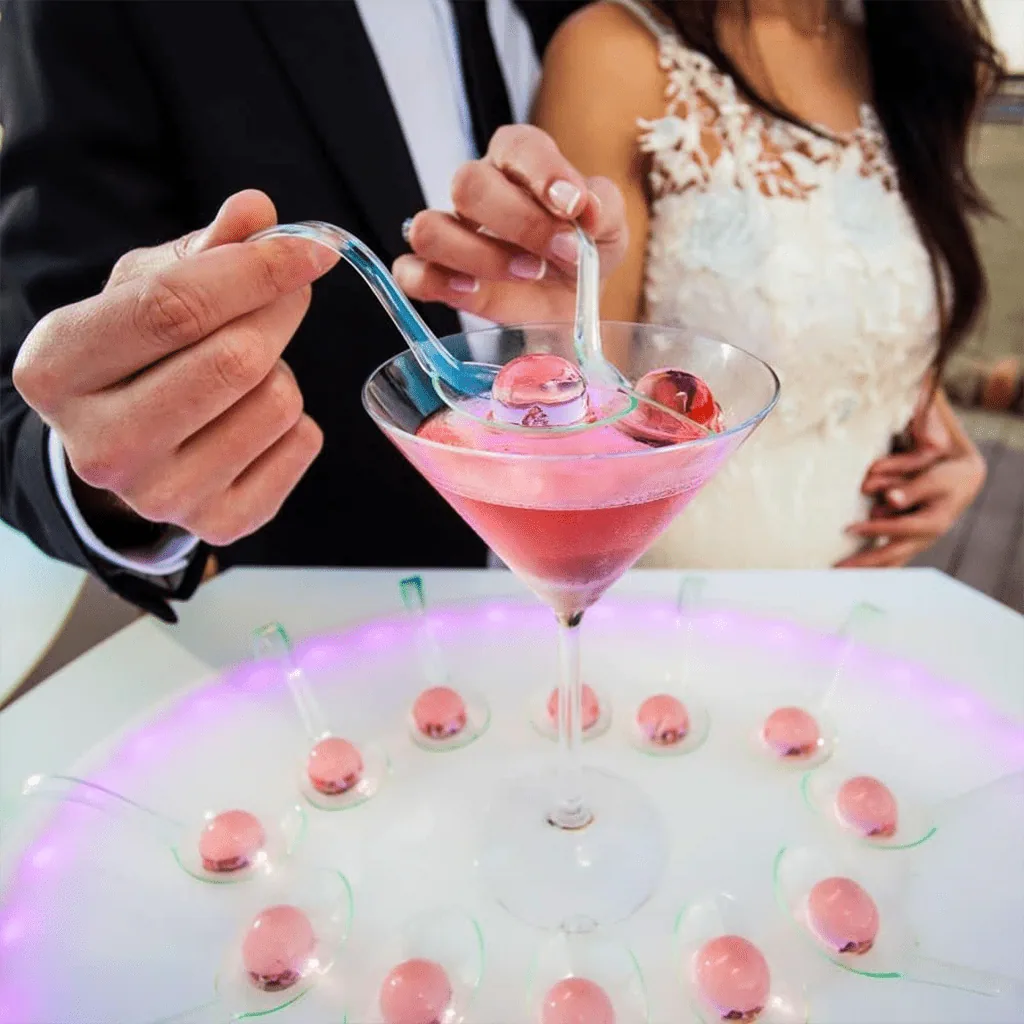
Perfect for innovative cocktails that put on a visual show and burst with flavour in the mouth:
Turn your cocktails into true works of art with our 500 g cocktail spherification alginate (also available in a 180 g size). This powder is a texturising agent with natural thickening and gelling properties that come from brown seaweed. 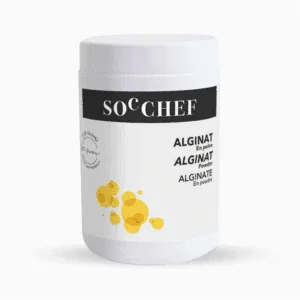
How does it work?
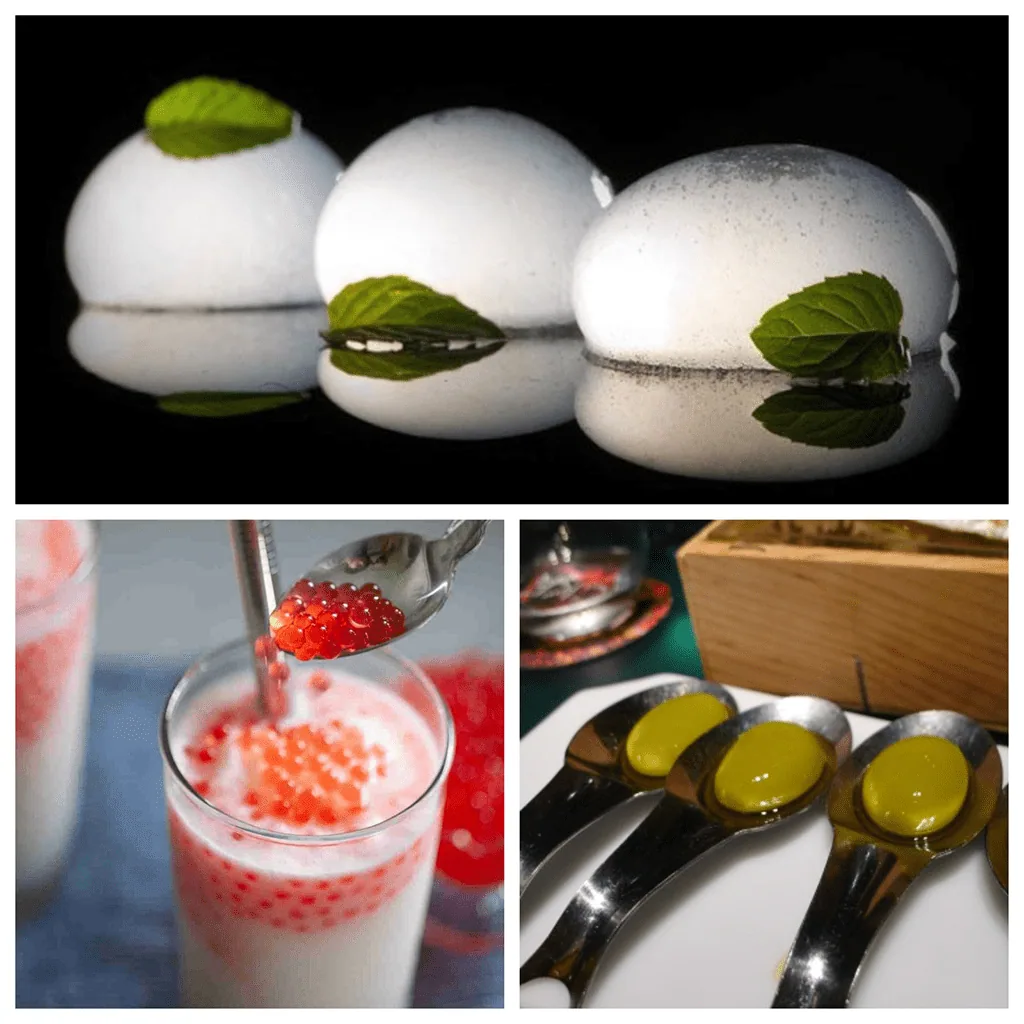
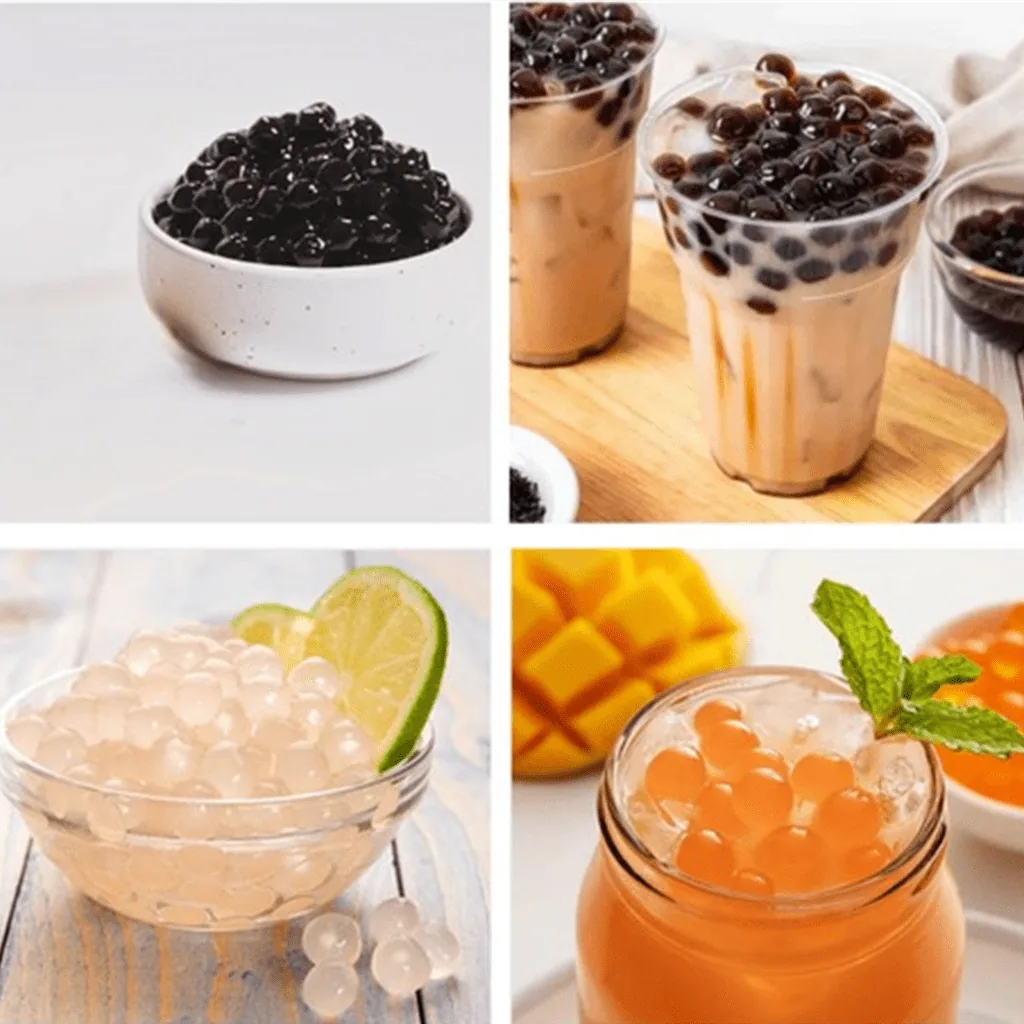
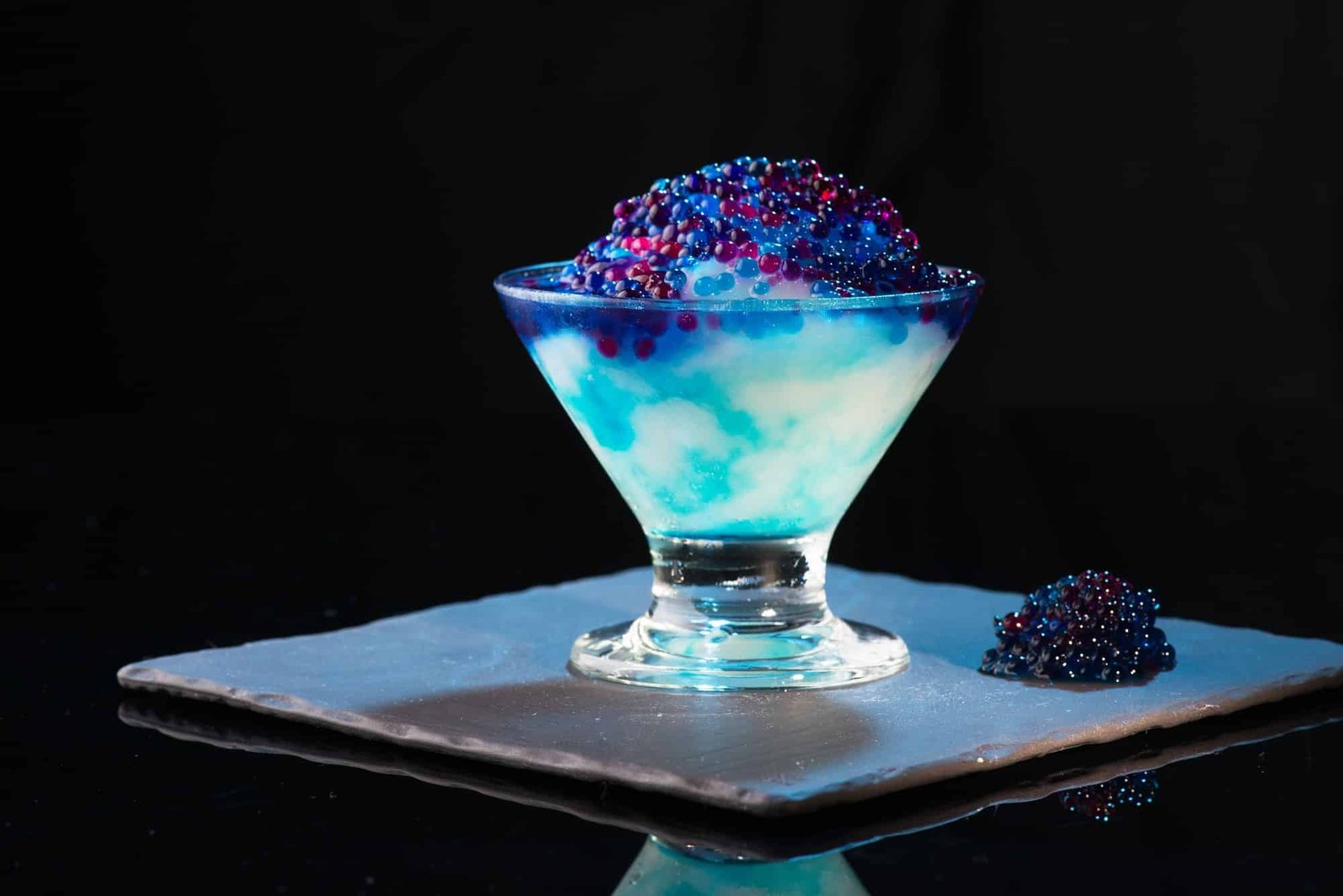
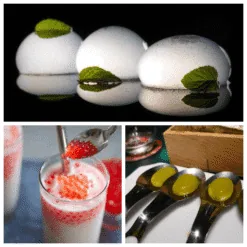
Mixed with calcium salt, this alginate lets you encapsulate liquids in a thin, delicate gel membrane, creating spheres (flavoured beads) to suit any taste and drink. Spherification lets you create fruit caviar, faux cocktail caviar, popping pearls for bubble tea, as well as surprising shapes such as the liquid olive (a popular molecular technique). 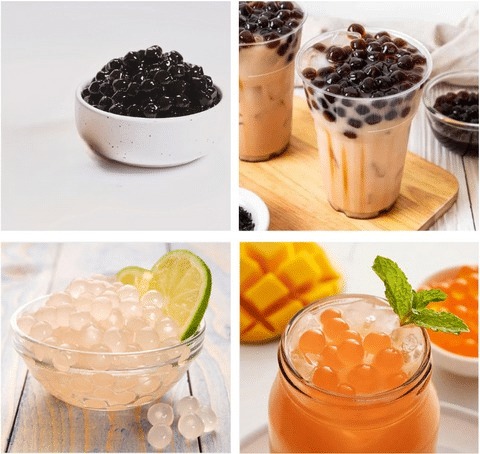
Fully customisable spheres for your cocktails:
Spherification works like our gourmet pearls, except that it gives you complete customisation: you create your own spheres by choosing their flavour, and therefore the liquid used (fruit juices, syrups, infusions, spirits or even coffee), their colour and their size, whereas gourmet pearls come ready to use. With our 500 g cocktail spherification alginate, the possibilities are endless to surprise your guests and elevate your creations. 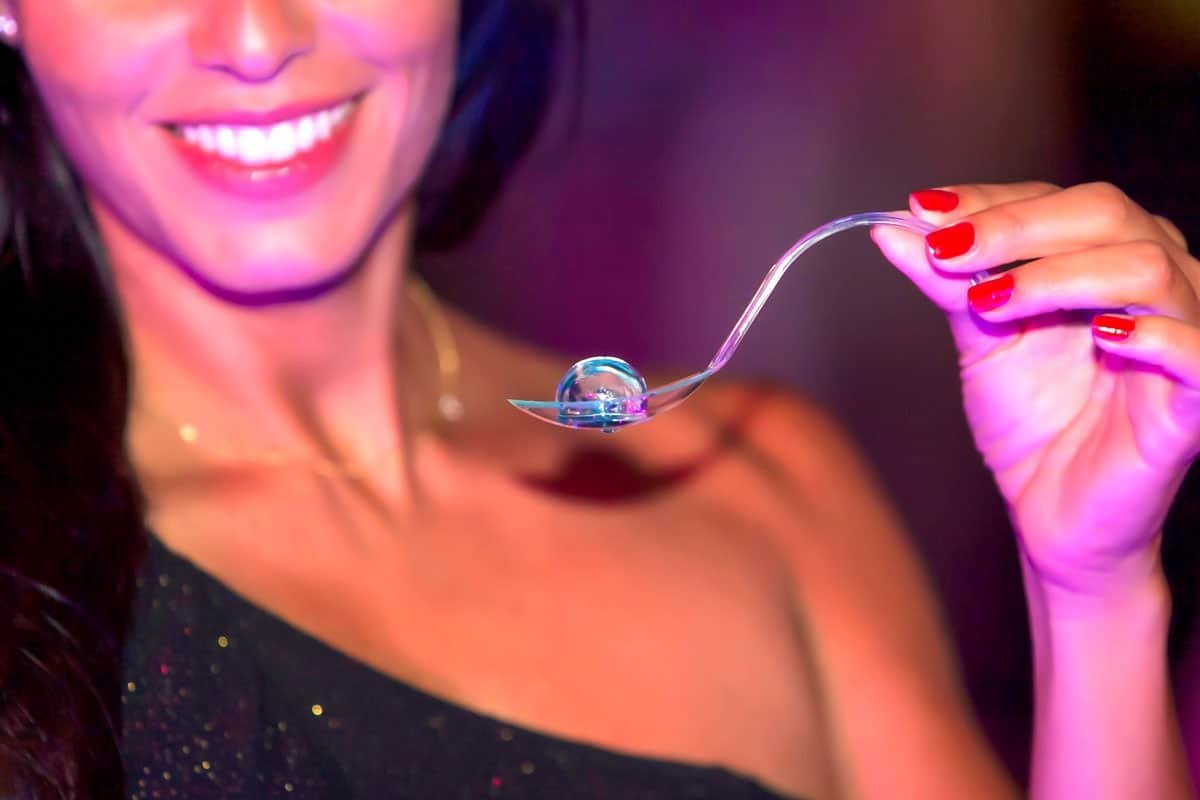
Two techniques for molecular spherification:
1. Direct spherification – serve quickly, as the alginate keeps gelling inside the product.
This type of spherification cannot be used if the main product contains calcium.
👉 Principle:
- Sodium alginate (a seaweed extract) is mixed with the main product (e.g. fruit juice), which contains little or no calcium.
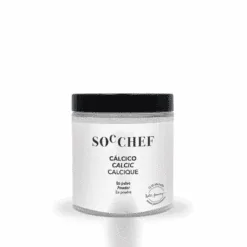
- This mixture is then dropped into a bath of calcium chloride or calcium lactate.
- The interaction between the alginate and the calcium creates a thin gelled membrane around the liquid.
👉 Result:
- A thin, fragile membrane.
- A bead that keeps gelling over time (it becomes completely solid if left too long).
- Ideal for slightly acidic liquids with no added calcium.
🔹 Examples:
- Fruit caviar, juice pearls, faux cocktail caviar (such as small Mojito or mango juice spheres).
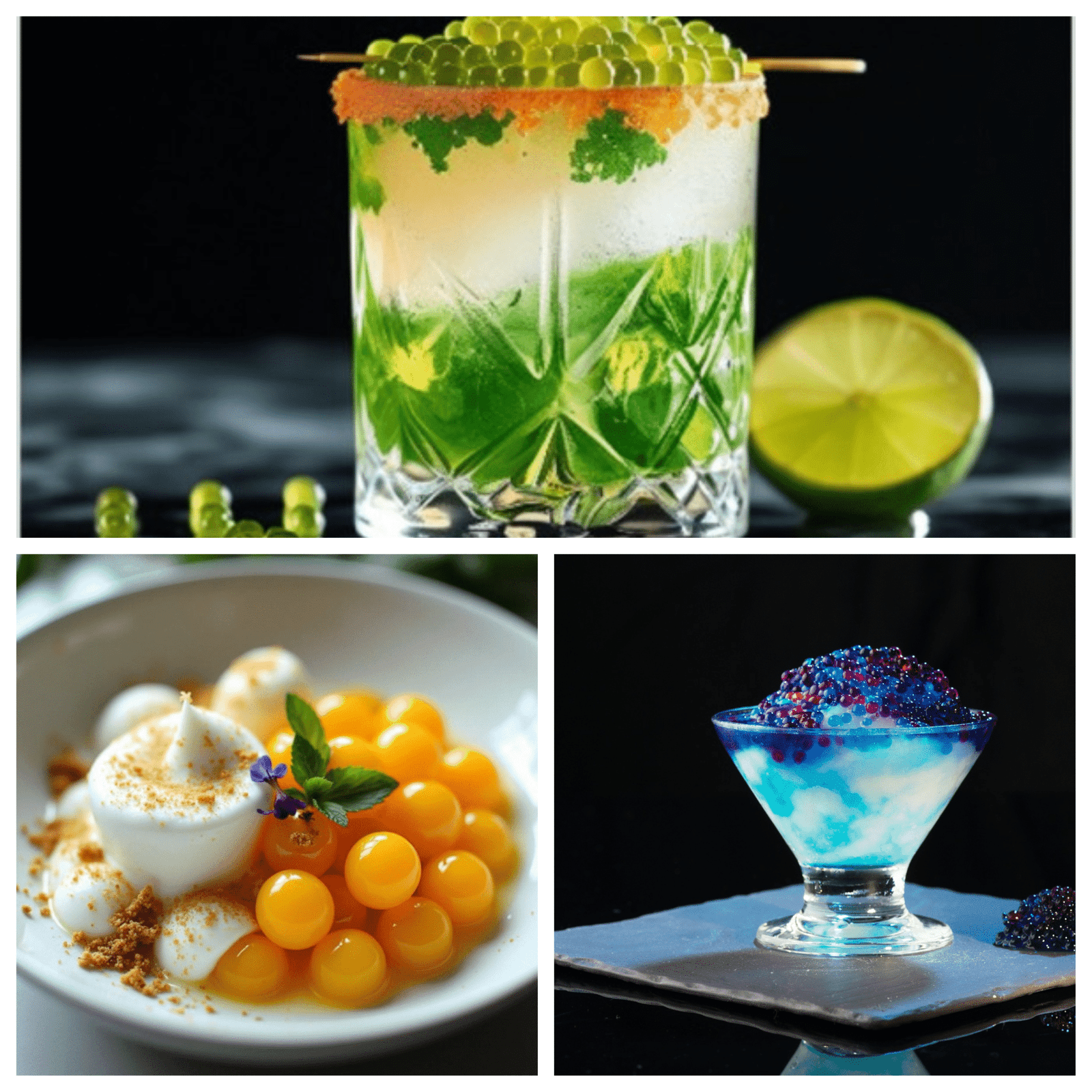 2. Indirect (reverse) spherification – suitable for refrigerated storage, it forms a more stable membrane and stops the beads gelling once they are taken out of the bath. This technique lets you spherify ingredients that contain calcium.
👉 Principle:
- The liquid to be spherified contains calcium (naturally, or added with calcium lactate or calcium gluconate).
- This liquid is dropped into a bath of sodium alginate.
- The membrane forms from the outside in, but the centre stays liquid.
👉 Result:
- A thicker, more resistant membrane, which you can keep refrigerated.
- A bead that does not keep gelling over time (unlike direct spherification).
- Better suited to liquids containing a lot of calcium or acids.
🔹 Examples:
- Bubble tea popping pearls.
- Spherification of calcium-rich products (e.g. drinking yoghurt, milk, some fruit purées).
- Larger spheres, such as a faux liquid olive
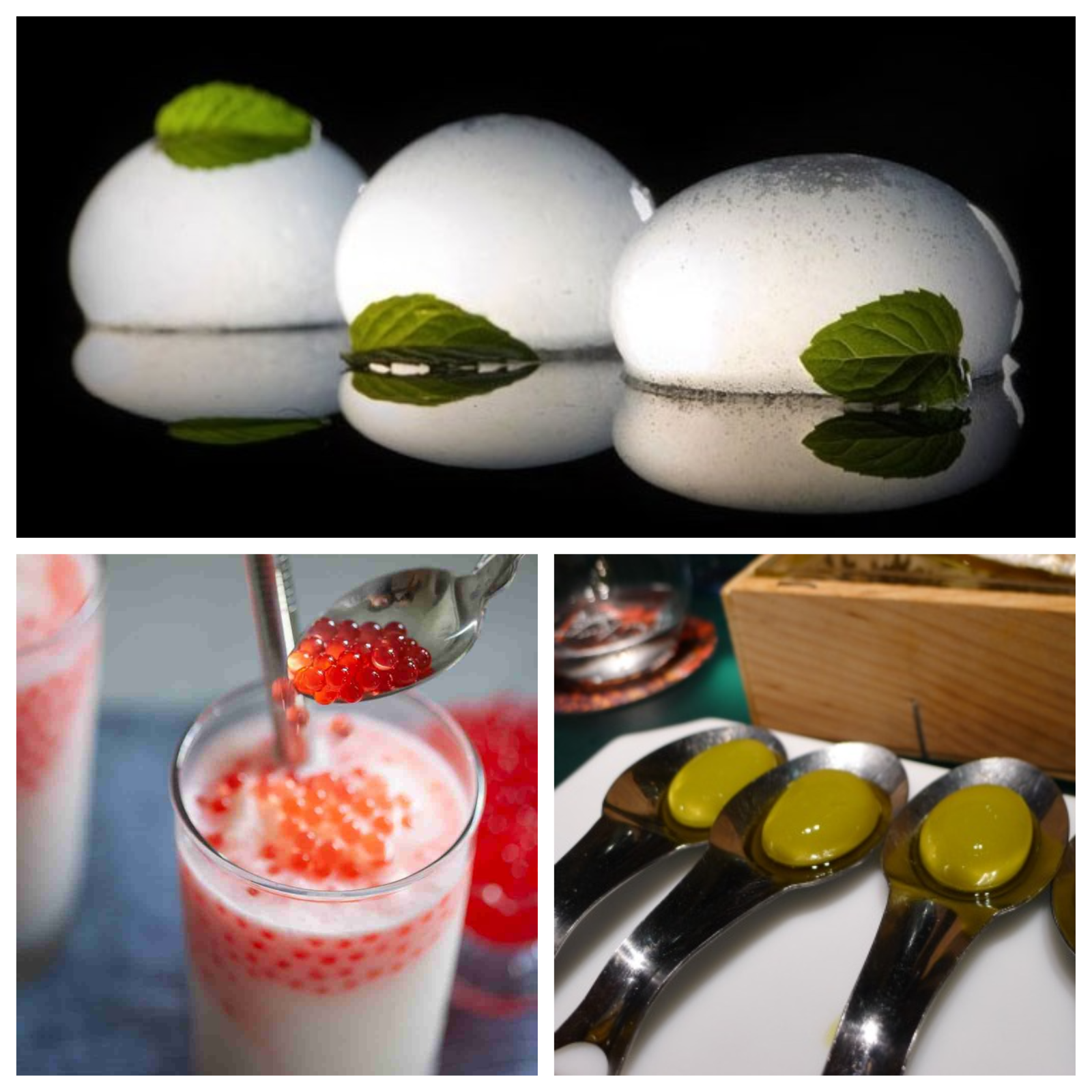
- The resulting spheres withstand temperatures of up to 100°C-120°C.
- The spheres cannot be frozen.
A versatile ingredient:
Used in mixology as well as molecular gastronomy. This alginate also works as a thickener for sauces, creams and fillings, and as a stabiliser for ice cream. Suitable for many bases. It can be used in water-based, dairy or fruit-based preparations. The recommended dosage is between 4 and 16 g per kg or litre, depending on the viscosity of the alginate, the base used and the final texture you want. 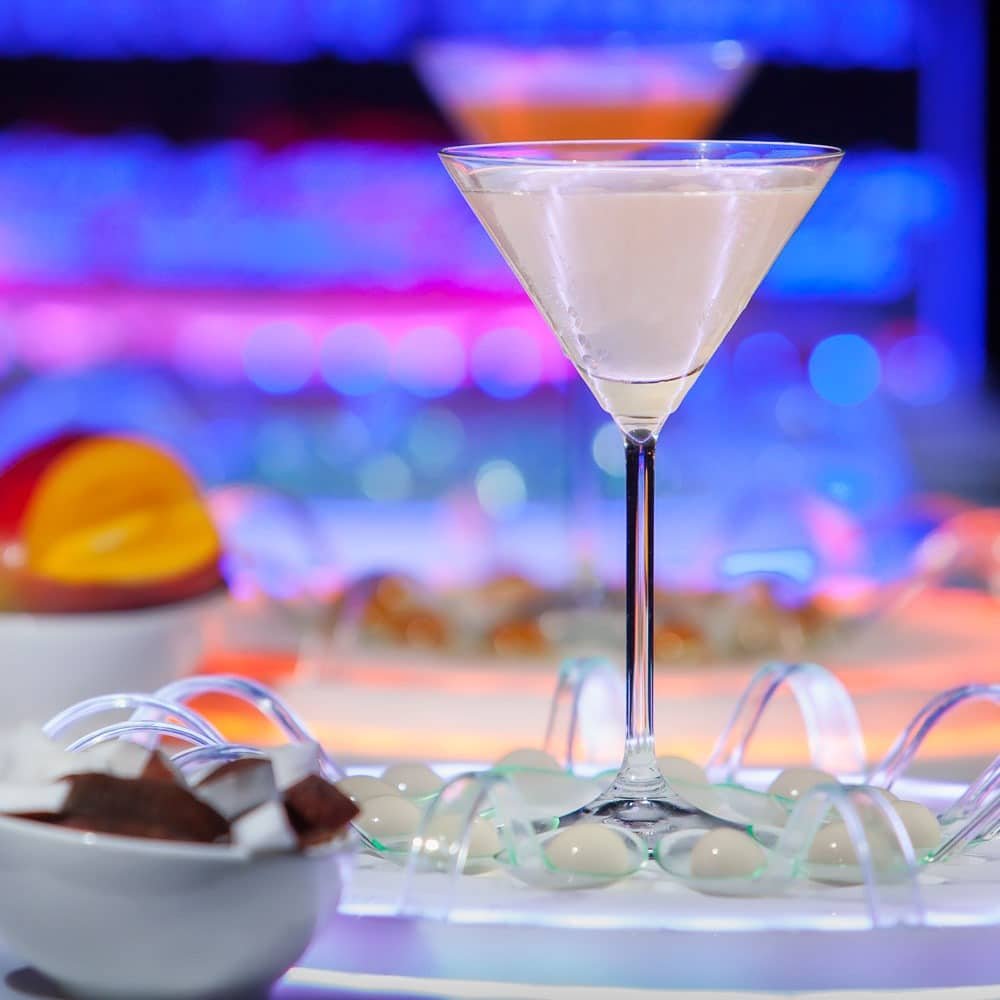
Instructions for use
Preparing the alginate
- Dissolve 5 g of alginate per litre of water or chosen liquid (cold or hot).
- Blend until smooth and leave to rest for 4 hours to remove air bubbles.
- For better dispersion, premix the alginate with dry ingredients (e.g. fruit purée) before adding it.
Preparing the calcium bath
- Mix 5 g of calcium salt per litre of bottled water in a separate bowl.
Forming the spheres
- Using a spoon or a pipette, gently drop the alginate mixture into the calcium bath.
- Leave for 30 seconds to 3 minutes, depending on the size and thickness you want.
Finishing
- Once the beads have formed, lift them out and rinse them in clean water.
- For direct spherification, serve within 15 minutes to keep the best texture
- For reverse spherification, they can be kept refrigerated
📌 Tip: the longer the spheres stay in the calcium bath, the thicker their membrane and the less liquid their centre.
- For successful spherification, the pH of the base you want to spherify must be between 5 and 7. To correct the pH in direct spherification, add calcium citrate.
Why are spheres sometimes placed in oil instead of water?
Placing the spheres in oil instead of water can serve several purposes:
Preserving their shape and stopping them sticking together
- Oil reduces adhesion between the spheres, which is useful when making them in large quantities.
- Water can cause coalescence (the spheres stick together and lose their shape).
Creating a particular visual or taste effect
- In some culinary preparations, oil is used to add extra texture or flavour.
- Example: coating with a flavoured oil (e.g. olive oil, truffle, basil).
Preserving the membrane for longer
- Water can slowly dissolve the thin alginate membrane, especially if it is slightly acidic.
- Being hydrophobic, oil does not interact with the alginate and slows down the breakdown of the spheres.
So, if you want spheres that do not stick together and keep better before serving, oil is a good alternative to a water bath. But if you plan to use them straight away, a simple rinse in water is enough.
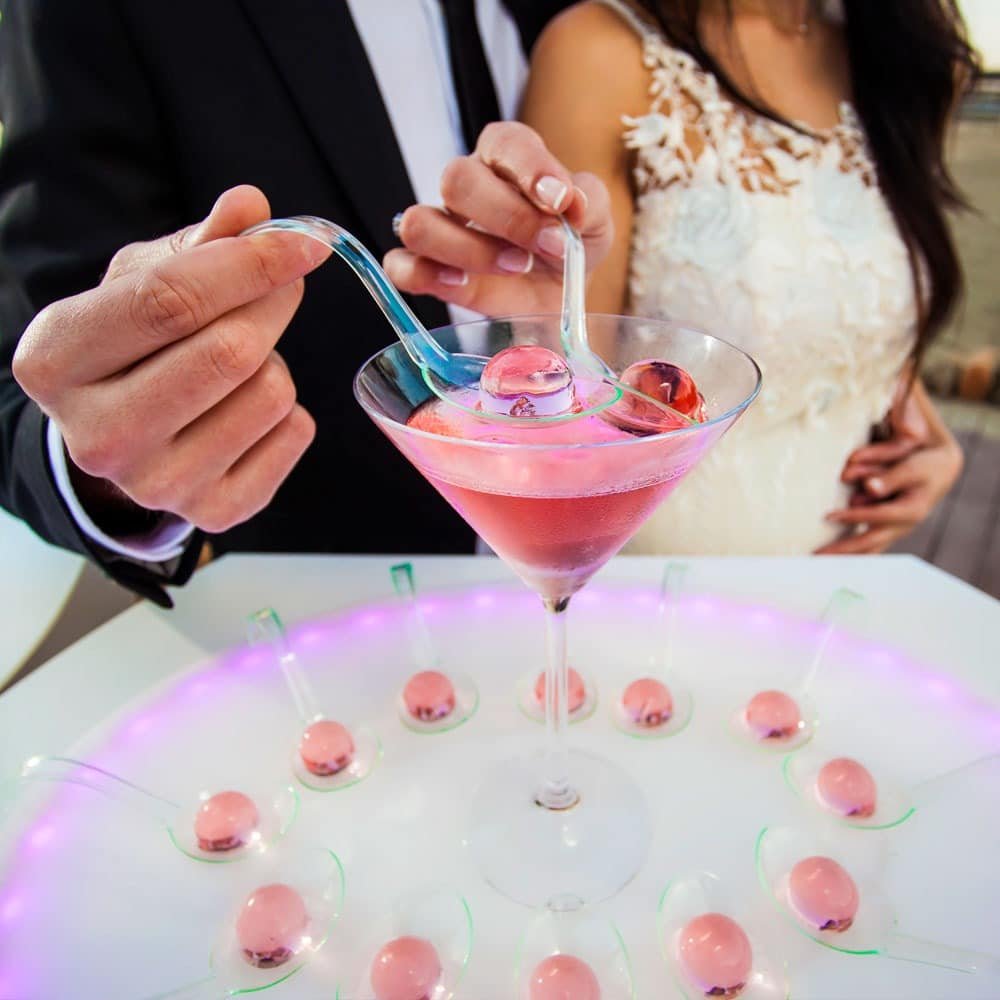
The alginate bath can be frozen for later use. Suitable for all diets, this ingredient is vegetarian, vegan, kosher and gluten-free, so everyone can enjoy your creations. 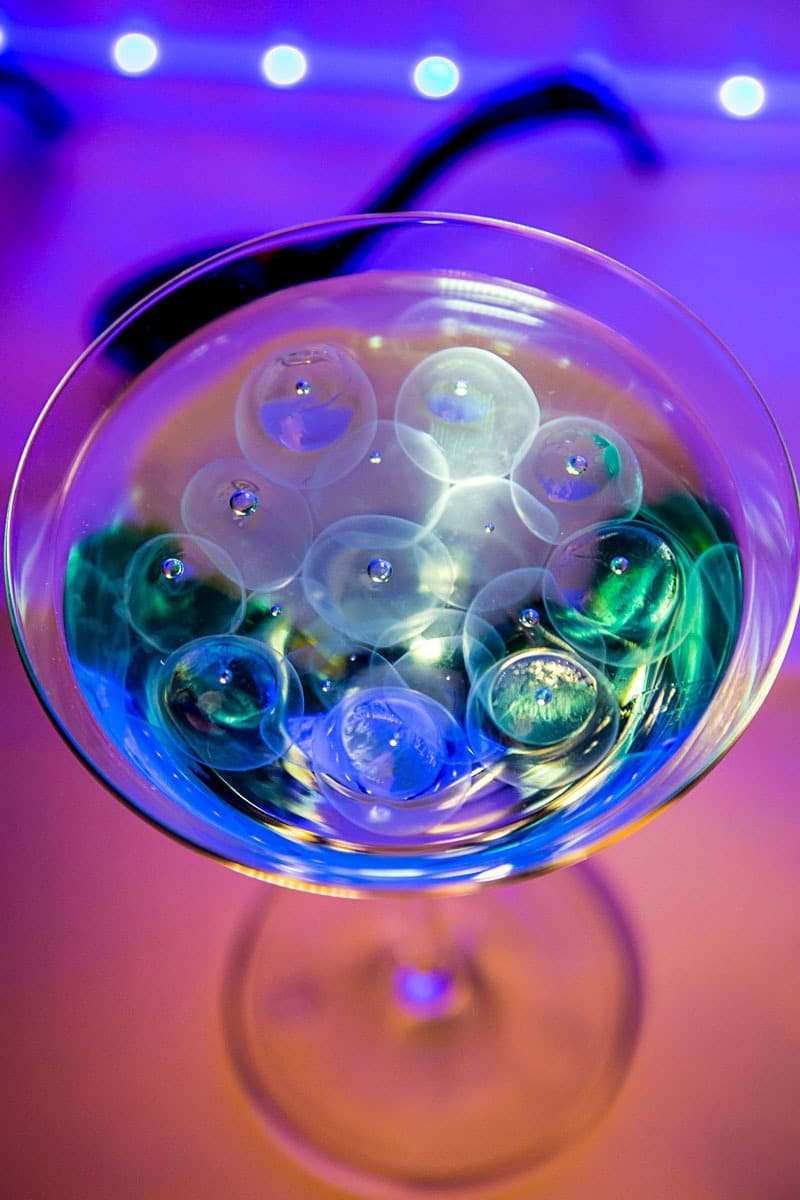 This powder keeps for up to 12 months under suitable conditions. The stated shelf life can only be guaranteed if the storage conditions are respected. Boost your bar’s creativity with our 500 g cocktail spherification alginate and offer unique taste experiences through molecular spherification.
| Weight | 0.750 kg |
|---|
Be the first to review “Sodium Alginate for Cocktail Spherification – 500 g”
You May Also Like





Reviews
There are no reviews yet.