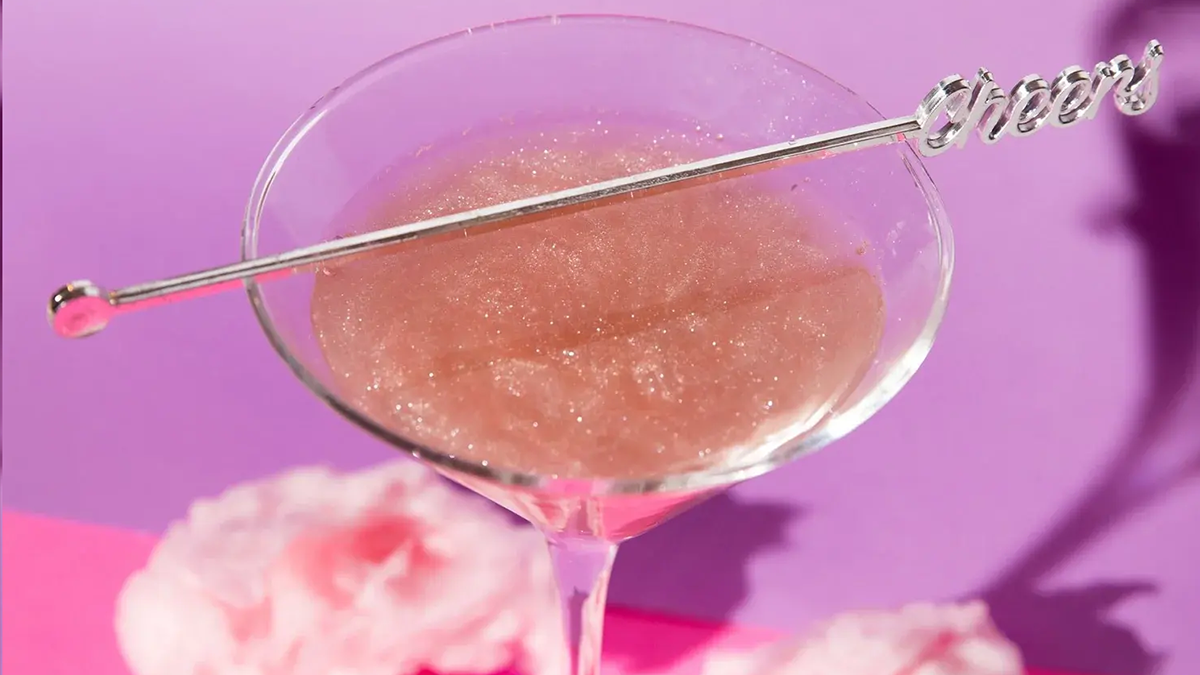
Creative Mixology, Edible Glitter
Red, Orange and Copper Edible Glitter: Choosing the Right Shade
Jul
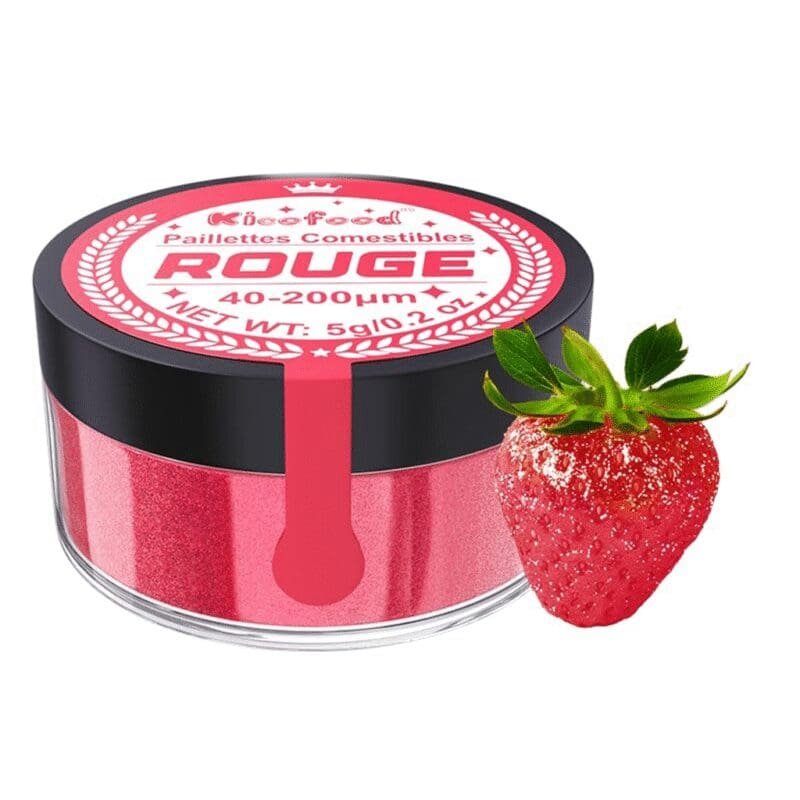
Red edible glitter can evoke red berries, celebrations or Halloween; orange brings to mind citrus and autumn; copper adds a warmer metallic glow. These shades are close, but they behave very differently depending on the colour of the drink.
“I travel the world to find effects that make a drink truly memorable. With glitter, the golden rule is also the simplest: use very little, maximise contrast and keep a steady hand.”
— Your trend hunter
EDIBLE GLITTER & MIXOLOGY
Four warm shades, four moods
Red for intensity, coral for softness, orange for energy and copper for depth.
Bold colours
Red and orange give a clear liquid instant character.
Metallic highlights
Copper comes alive on dark, amber or pink bases with side lighting.
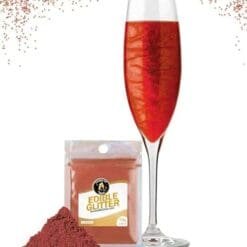
- Red on a clear, very pale pink or dark base.
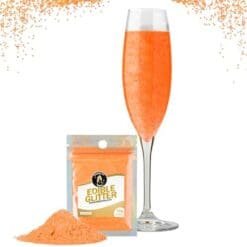
- Orange on a pale, light yellow or strained tropical base.
- Copper on a dark, amber or chocolatey cocktail where a metallic shimmer stays visible.
Telling the shades apart
Classic red is bold and graphic, and suits romantic, festive or dramatic themes. Coral red is softer and easier to pair with fruit. Orange gives a citrus or tropical feel. Copper, less colourful but more metallic, goes with autumnal, spicy or indulgent recipes.
Place all four samples next to the finished drink. Red powder can disappear in a dense cranberry juice, whereas copper or gold will create contrast. Conversely, red looks very crisp in a lemonade or a clear cocktail.
Flavour and visual pairings
Pair red with red berries, pomegranate or hibiscus; orange with citrus, peach or apricot; copper with apple, spices, coffee or chocolate. These pairings do not change the taste if the glitter is flavourless, but they make the drink’s message easier to read.
Keep the garnish in the same family: orange zest, a red berry, a slice of dried apple or a chocolate detail. A single garnish is enough to link the colour to the recipe.
Seasonal cocktails
In summer, coral and orange work in long, bright drinks. In autumn, copper creates a deeper mood with apple and spices. At Halloween, red or copper pair well with a dark glass, but the contents must remain clearly identifiable and pleasant to drink.
For the festive season, red and gold make a classic palette. Do not use two powders in equal amounts: choose one main colour and use the second only as an accent on a foam or a garnish.
Dosage and photography
Warm shades look denser under orange-tinted lighting. Start with a very small amount and look at the glass in motion. Neutral lighting lets you check the true colour before you switch to the room’s ambient lighting.
For photos, place a light source to the side of or behind the glass. Copper and coral need a highlight to be told apart from the drink’s own colour. Revive the movement just before the shot.
For the basics, read our guide to edible glitter in drinks, then compare formats in the Délice Bar edible glitter range.
Frequently asked questions
Red or coral for a red berry cocktail?
Red gives a more intense result; coral is softer and often stands out better if the drink is already dark red.
Is copper visible in an amber cocktail?
Yes, if there is enough contrast and light. Do a test, as the two shades can also blend together.
Can you mix red and gold?
Yes, but choose one main colour and use the other as an accent to keep the result clear.
DÉLICE BAR SELECTION
The edible glitter featured in this guide
Four products from our shop, chosen for the colour, format and use covered in this article.



Test it in the glass you’ll serve
Start with the smallest amount, check the contrast under your venue’s lighting, then turn your best test into a repeatable technique.
Discover Flavourless Edible Glitter for Cocktails – RedKEEP READING